Finding Your Rhythm

When I hiked to the Granite Chalet, I realized the profound importance of rhythm. The trail to the Grinnell Glacier Overlook was even more strenuous.
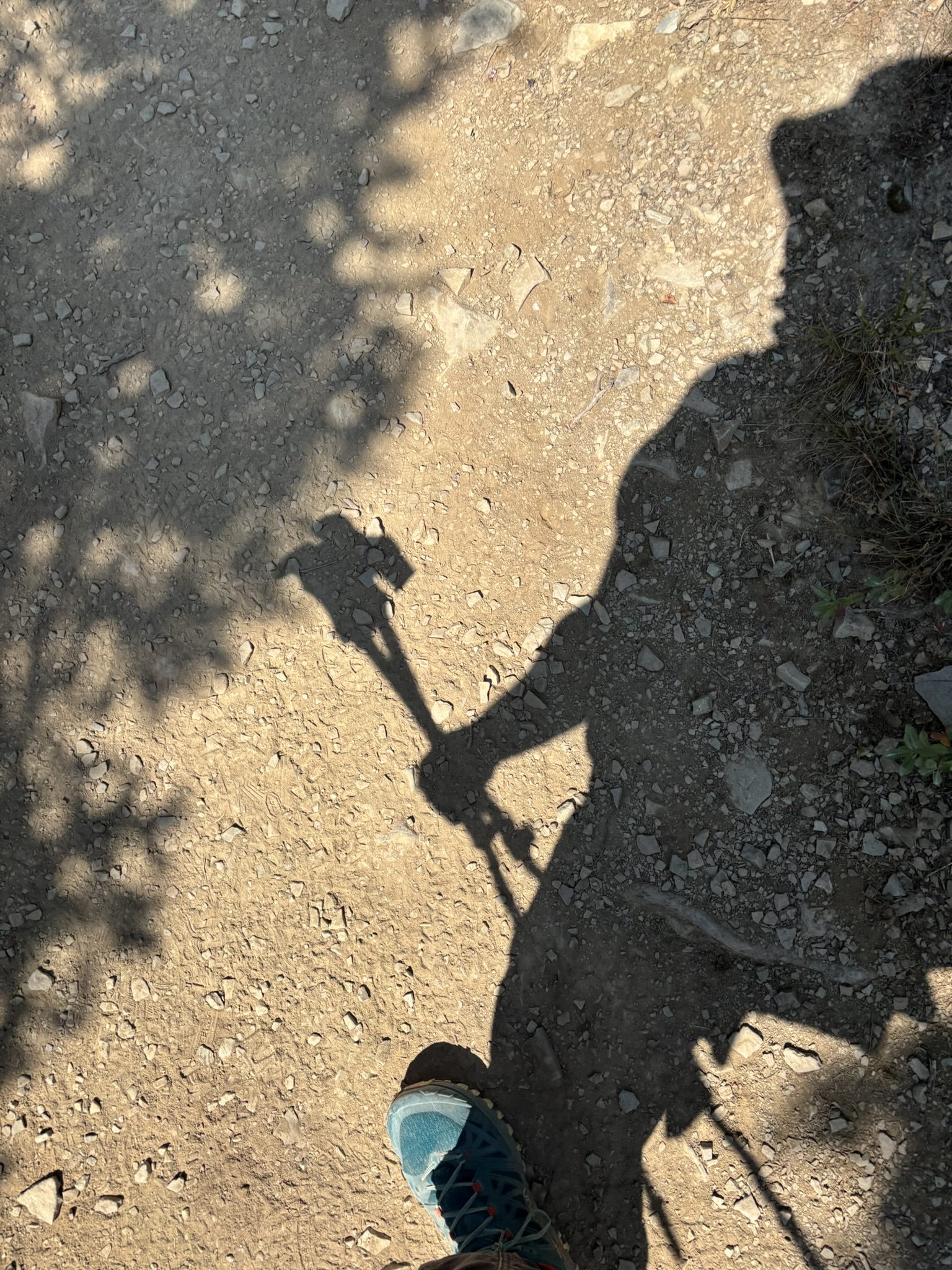
Anyone who has run, walked, or hiked for long periods knows the feeling. You get into a rhythm where your breathing syncs with your steps. If you have hiking poles, their sound and movement become one with the beat of your feet and breath. It’s a place that just works.
This rhythm changes depending on the incline, decline, speed, and stress of your hike. I was particularly aware of it for two reasons. First, I was using hiking poles. They make a rhythmic sound as they hit the trail’s packed earth and rock, a steady, tangible beat.
Second, I had been reading about the Sherpa people. Those guiding and carrying supplies for climbers on mountains like Everest have a specific rhythm. This rhythm helps them sustain their effort for long periods. On steep inclines, they take three steps, then a micro-pause for a half-breath, usually an inhale. They tell themselves this is a pause, even though their body—specifically one leg—is still moving into the next step. By slightly exaggerating the slowdown and calling it a pause, they trick their body into thinking it’s resting.

I smiled when I read this because I’ve always been that steady hiker. I’ve always known it’s better for me to keep a steady pace. It’s better than going as fast as possible, only to need a long break. When my friend Andre took me on the steep Overlook Trail, I adopted this slow, rhythmic pace. I’m sure it was difficult for him to follow, but something interesting happened. Other hikers would almost catch up to us, but they never passed. That’s because they would hit a wall and need to stop. My heart rate, although elevated, was never so stressed. I always catch my breath. My rhythm kept me moving forward, steadily and surely.
The Rhythm of Life
These thoughts about hiking stayed with me. I started reading a book I had brought on the plane home, Eternal Echoes by John O’ Donohue. I was surprised I hadn’t picked it up sooner. As you know, some books feel boring one moment and amazing the next. This was the right time for this book, and I kept noticing the word rhythm.
Here are some quotes that resonated deeply:
- “Belonging is the wisdom of rhythm.”
- “When in rhythm with our own nature, things flow and balance naturally.”
My mind immediately went to my own life, which was in a season of new beginnings after a sabbatical. As I had been reflecting on this transition, I asked myself some questions I always use to mark new seasons:
- What went well this month?
- What am I proud of?
- What habits did I build that I want to keep?
Then, I looked forward and wrote down my “best case scenario” for the month ahead in the present tense. For example: “September is a new start. In September, I am joyful in all that I do. In September, I remember that it is good, healthy, and kind to have boundaries. I find a new rhythm in September. This new rhythm is in relationships. It is with each church community I serve. It is also within my own personal (self – care) life.”
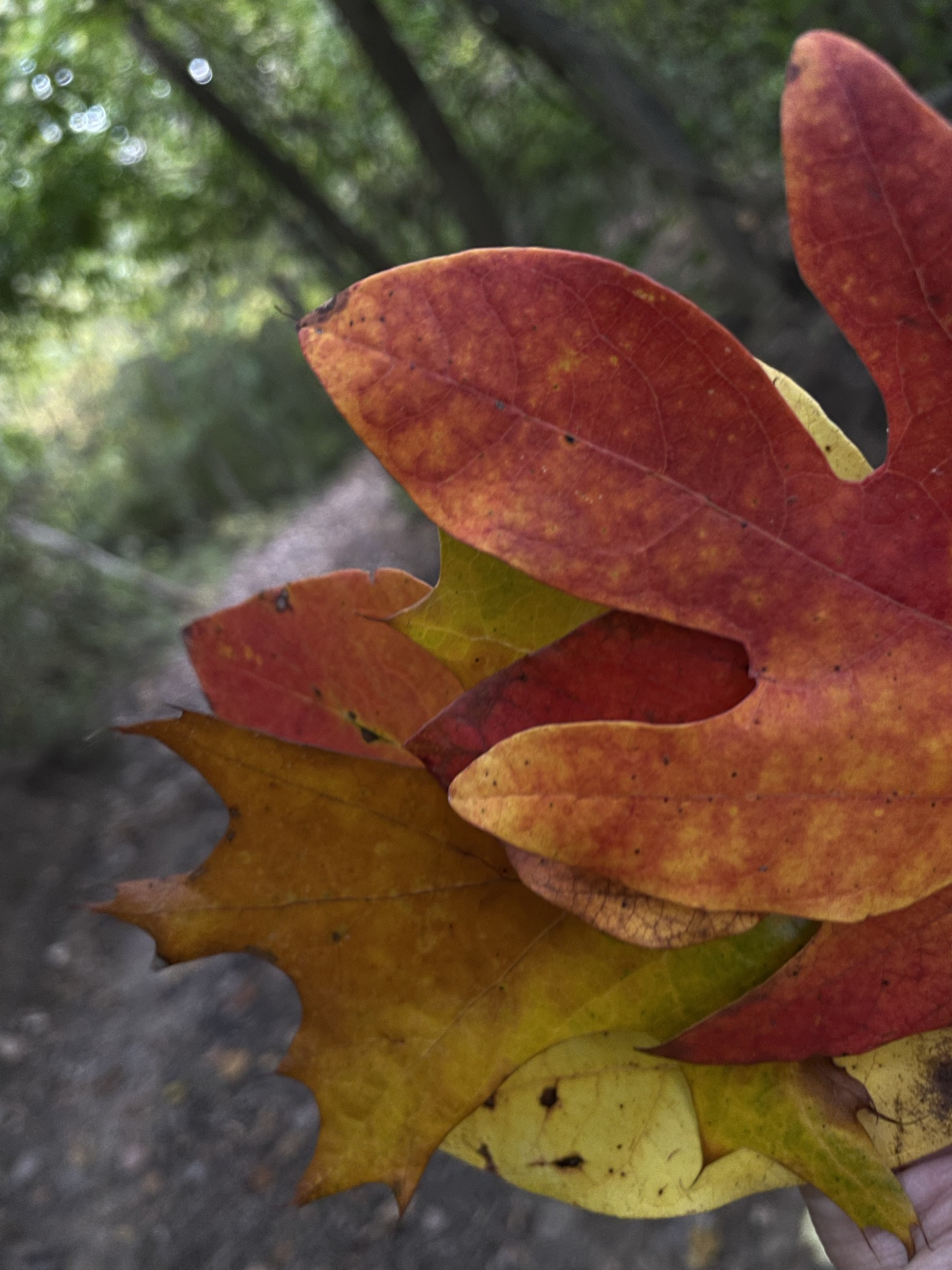
The word “rhythm” was everywhere. I looked up “rhythm of life” and found a beautiful definition that tied everything together:
The “rhythm of life” refers to the natural, cyclical patterns and routines that constitute one’s existence, encompassing daily activities, life’s ebb and flow, and significant milestones. It’s a metaphor for the tempo and flow of life’s journey, which can be unique to each individual or group and involves a combination of consistent practices and experiences that shape health, relationships, and spiritual growth.
Checking Your Pace

When things begin to feel overwhelming, I now go back to the word rhythm. I ask myself, “Am I in rhythm? Am I in the flow of a purposeful life, or have I somehow stopped or slipped off the path?”
It’s so easy to step off the path. A series of negative interactions or thoughts can immediately move you away from a positive, healthy rhythm. I have found it helpful to simply notice when this happens. I even say out loud how an interaction made me feel tense, saying, “This feels awkward,” or “This feels negative.” For example, yesterday, when I felt negative energy directed toward me, I went outside, looked at the trees, and remembered that other people’s opinions of me do not define me. My purpose and God’s love define me.
I resonate deeply with the rhythm of life. It serves as a framework for what we know as spiritual disciplines. These include simple practices like prayer, serving others, and studying scripture. Yet, they also look like simply noticing. Noticing when something has shifted and pulled you out of the flow. Noticing when you’ve been pulled away from the very rhythm that will get you to the top of the mountain.
So, as you go about your day, simply and without judgment, ask yourself:
Am I flowing freely within the rhythm of my life’s purpose?
Have I taken a slight detour? Have I gotten so far into the weeds that I don’t even realize I’m off the path?
Have I just stopped and sat down, telling myself it’s not worth it to continue?
Only ask yourself where you are.
And if you’re off the path, remember that it’s just a few steps back to finding your rhythm again.
Trust Love and Hike On,
Marce


Leave a Reply